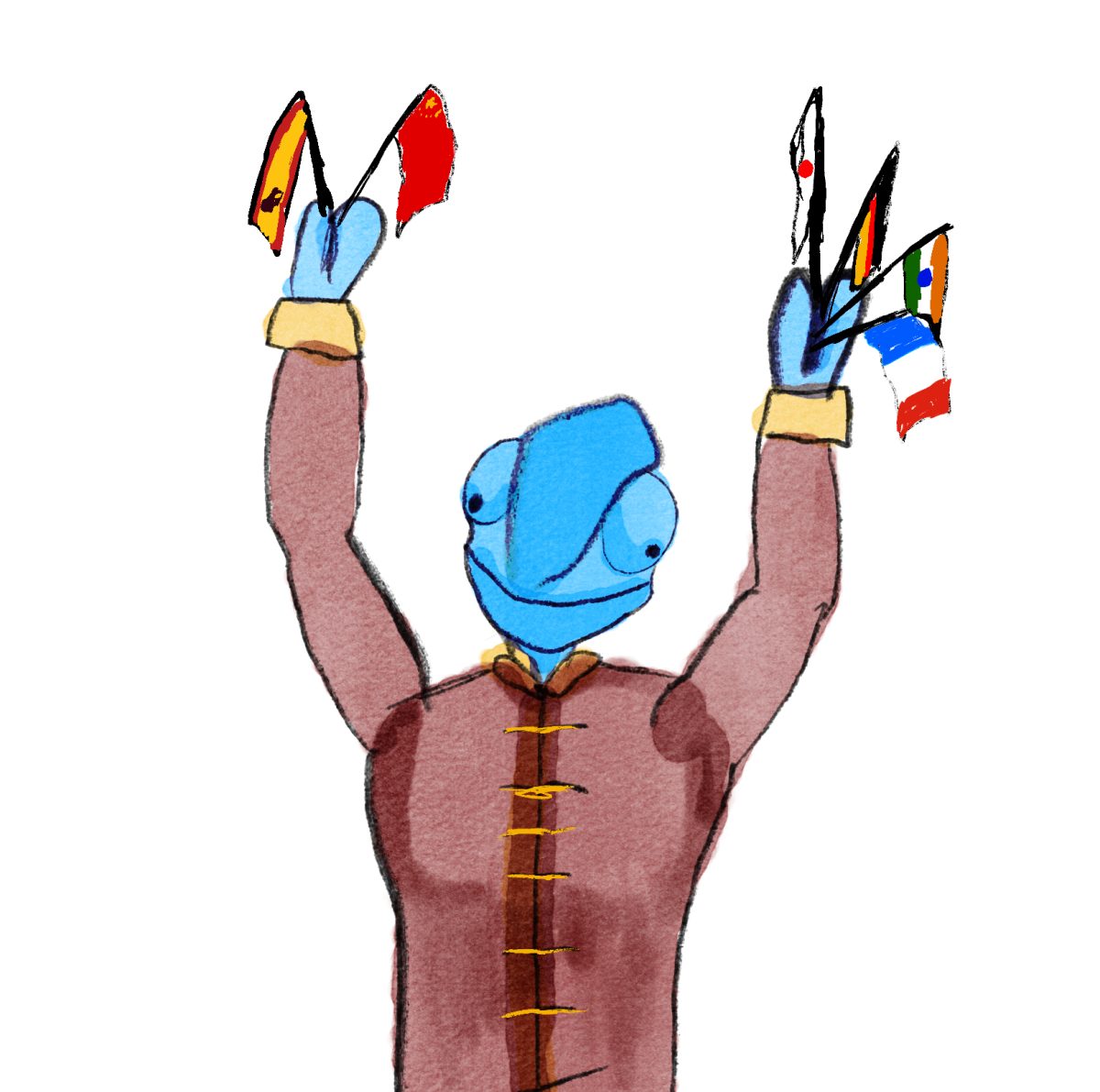
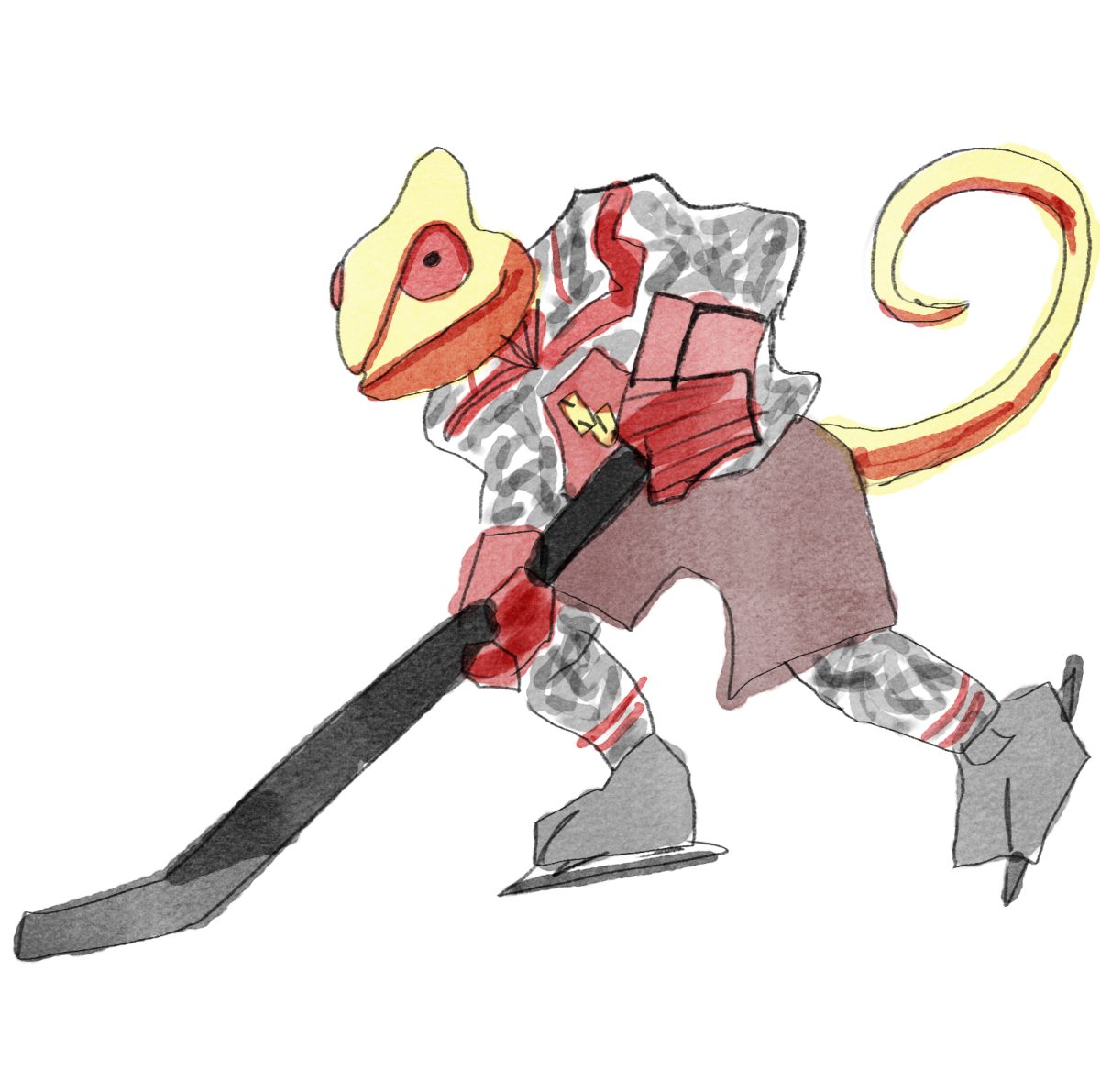
Taro
I have been in this place for too long. It is starting to get unbearably hot. Perhaps I will be able to leave soon. How nice it would be to slip outside and train. When my mother was brought here by the Portuguese, she was terrified of what would happen. There are not many places where being a person that looks like us is easy, not that it is easy here, truly, there is no place anywhere that is easy for anyone. My father is saying something, but I’m not focused on his words. We don’t meet with the daimyo often, but when we do, it is a lot of talking while sitting in a room that is not comfortable. The daimyo’s heirs are spread throughout the room with his eldest son sitting next to him, learning as his father works so that one day he could take over, as I will for my father’s position when he becomes too old to fight. I wonder if Daimyo’s son ever feels out of place in this stuffy room.
“Taro.”
“Taro.”
“Are you even listening?”
I hadn’t been; that wasn’t good. Father rarely calls on me for my opinion, so often I don’t need to pay attention to these talks. Today was not my day. What had father asked?
“The daimyo asked if you would be willing to watch over his eldest daughter as she travels to meet her future husband.”
The eldest daughter, it was about time she was married. Her beauty was known throughout the land, and she was well sought after due to her family’s connections throughout the country. I wonder who they had promised her to.
“Taro, it is rude to keep the daimyo waiting.”
I had already been standing there quietly for too long, so I kept my voice low as I said, “It would be an honor to escort your daughter, sir. Where is our destination, and when would we need to arrive?”
“So, you can speak, I was beginning to wonder after all these times when you sit there so silently. You would need to arrive in two weeks’ time in Chosokame.”
That wasn’t a terribly far trip. Two weeks would be more than enough time to secure a safe passage for the daimyo’s daughter. I felt a boot gently kick my leg. That was father’s way of telling me that I had forgotten something, but what?
“Thank you for this opportunity.”
Of course, always thank the daimyo when you have been given an assignment, even if it is just to take his daughter across the border to meet her new husband.
“You are both dismissed. Oh, and Taro, she is already packed, so whenever you see fit to leave, she is ready. Oh, and perhaps you should take another with you, wouldn’t want to have any trouble on the passage.”
“Of course, sir. I shall come by to pick her up in two days’ time at dawn.” “Very well.”
I turn to walk out with my father when I see her, the eldest daughter. I should try to remember her name, that seems like the right thing to do. As I walk by, I catch her eyes, which are rimmed with red and look as though she has been crying. As long as she doesn’t cry during the trip to her new husband, that would be impossible to deal with.
Ichi
That was it. It took all of five minutes to secure someone to ship me away from the only home I’ve ever known to a new place where I will have to be a wife and mother. I suppose I should be grateful, my father waited longer than normal to marry me off. I know it was because he was waiting for a truly great opportunity to form an alliance, but I like to pretend it was because he wanted me to have my childhood for a little longer.
The samurai’s son that they have enlisted to take me looks me in the eye as he leaves. He seems kind, but quiet, like there are a lot of thoughts in his head, but he doesn’t know how to put them into words. He looks different from the other samurais’ sons; I will have to ask around. I know there was a time when his father was disgraced over something involving his wife, but I can’t quite remember what.
Hasu taps me on the shoulder to tell me that it is time to leave. Thank goodness she is here; I would never remember all of these details without her. It is a miracle that I convinced my father to let me take Hasu with me when I get married, and that Hasu agreed to come. I think she feels bad for me, that is ok, though, I feel bad for me too.
Taro
My father is a mix of emotions as we walk, not that anyone but me would be able to tell.
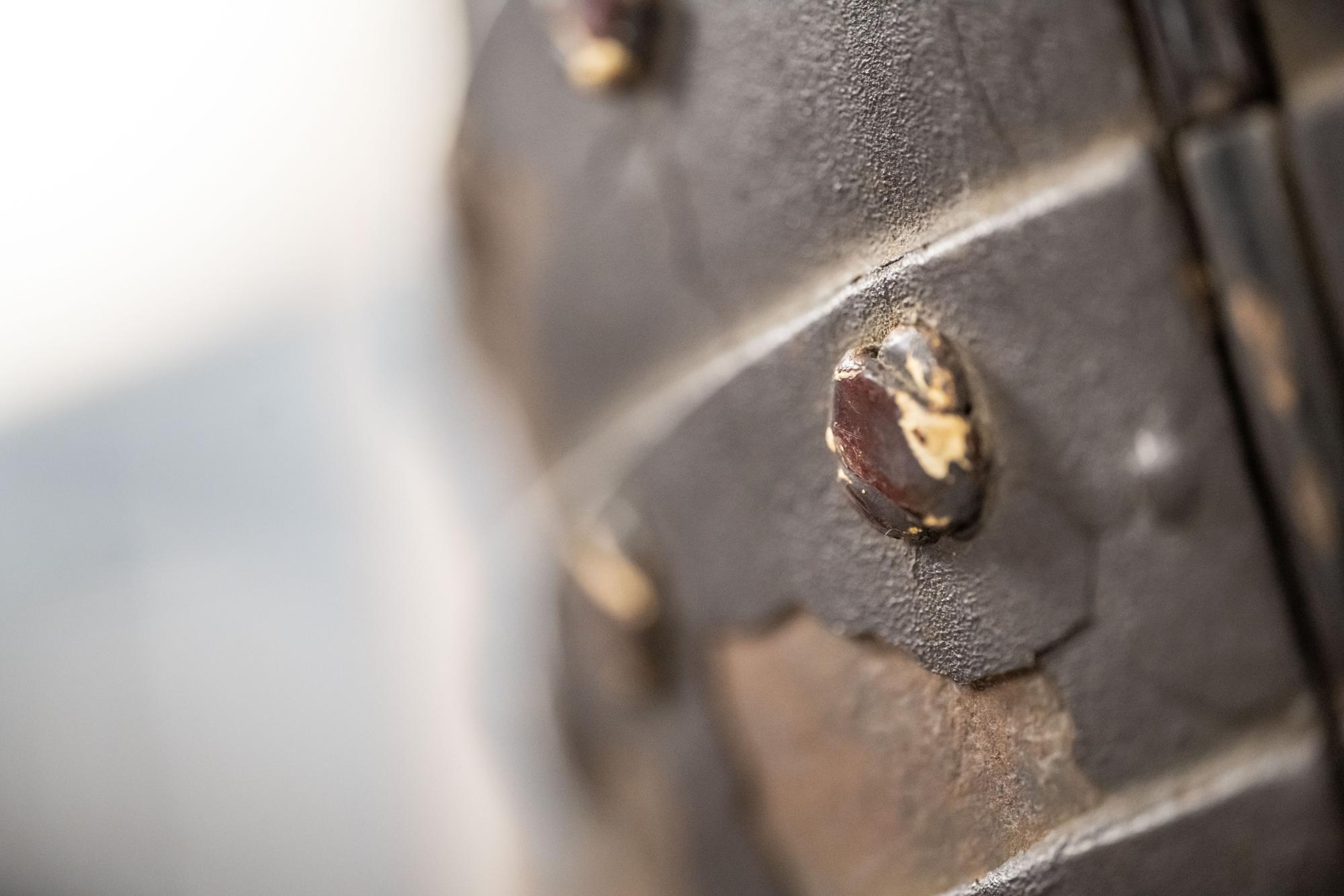
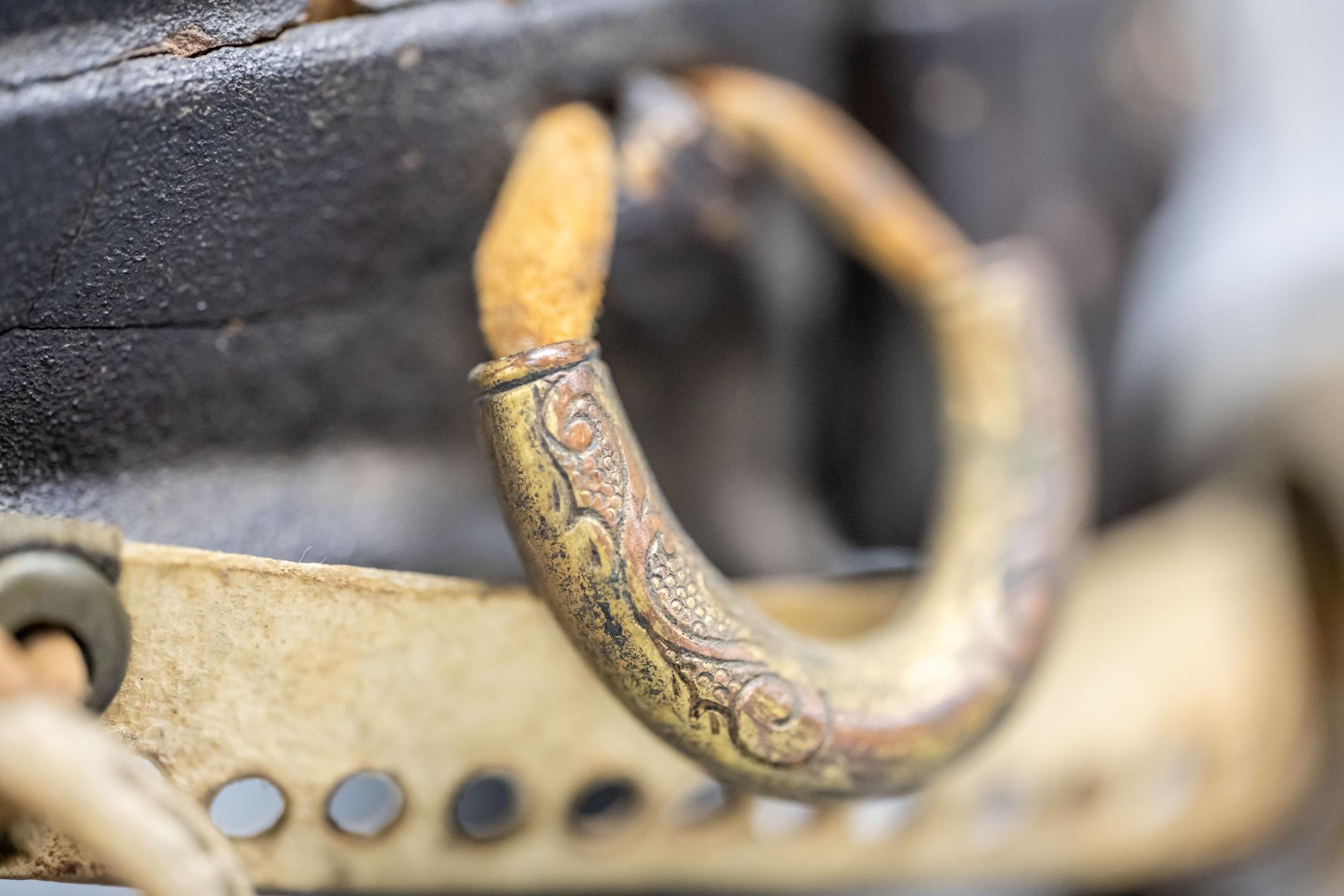
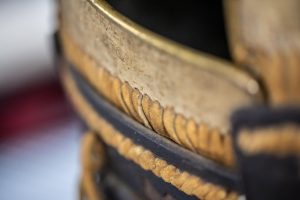
He keeps his face clear always; it is the rest of him that gives him away. The way he walks when he’s angry, or the way he fiddles with his armor, I can tell he’s really in a mood when he stops us and makes me adjust mine.
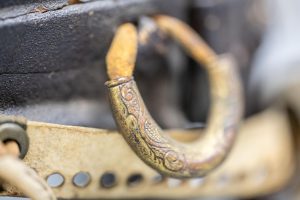
My armor is my everything, that’s what my father tells me. It is the one thing about me that is the same as all of the other sons that are being trained to be samurai, as their fathers and grandfathers before them. My grandfather cut ties with my father when my father said I was to be trained as a samurai; he thinks I am too odd and will never succeed as one. All this is because of my mother, who is dead. She died long ago when I was still quite small. She was from a far land and had been brought here when she was little more than a girl. My father, who was training to be a samurai at the time, saw her and instantly fell in love, or so he says. I’m not sure that’s even possible. Regardless, they courted and married despite my grandfather’s disapproval. My grandmother, on the other han,d adored my mother and left my grandfather to live with us when my mother became pregnant.
Most people are like my grandfather, not because they dislike me, but because they don’t know what to make of me since I am not like them. Once they get to know me, they usually come around and are more accepting, like my grandmother. For example, my best friend, Ando, used to throw rocks at me because he didn’t know if I could speak, and now we train together every day. I should ask my father if I can bring Ando on my journey.
“Father, do you think bringing Ando on the journey for the Daimyo would be beneficial?”
“If you two can behave yourselves, then yes, it is not wise to go alone.”
“Of course, father. Shall I go ask him now?”
Father turns to me and tightens the shoulder strap on my armor. Now I really don’t know what to make of his mood. He never adjusts my armor. He says that it is each person’s own responsibility to maintain their appearance.
“Run along then and ask him. Be home before dark, your grandmother is cooking dinner.”
“Of course, father.”
Like I would ever be late when grandmother is cooking. She’s the reason all the girls on our street make such good matches; her cooking lessons are guaranteed to get them a husband.
Ichi
I have dinner in my room tonight, just me and Hasu. I don’t feel like dealing with my brothers tonight, always grappling for my father’s attention, and my sisters trying to make me feel better about being forced out of my own life. Hasu is packing the last of my belongings up and sending them down to the stables to be loaded onto the carriage. Yes, there’s only one, that’s all father would let me bring. He claims my new husband will buy me all new clothes, but I don’t think he ever considered that I might want to keep the ones I have. Two nights left in my bed, that’s all I get.
Taro
I ride over to the daimyo’s house as the sun rises over the hill. As I approach, I can see the lone carriage that we will be taking with us on the trip. Ando rides beside me silently as he’s still half asleep. His horse carries the food for our journey, prepared by my grandmother over the last two days.
When we arrive at the parked carriage, I see the daimyo’s daughter and what I assume is her maid waiting next to the carriage on their horses. I wasn’t aware that another would be joining us on our journey, but food shouldn’t be an issue, though, as long as we don’t run into any other problems.
I adjust the straps on my armor as we pull our horses beside the girls. “Good morning, I am Taro, and this is Ando. We will be escorting you to your husband. Are you ready for the journey?”
The look she gives is cold, as if there is nothing left in the world she cares about. It makes my skin itch.
“I suppose I don’t have a choice.”
And with that, she starts down the trail. Her maid isn’t far behind her. I shoot Ando a look as I realize this journey could be more problematic than I anticipated. Ando, however, is looking at the girls as they ride down the path and doesn’t seem to have a care in the world.
“You ride down and take the lead, Ando; I’ll bring up the rear with the carriage.”
The stable hands had already been hitching the carriage to my horse, as it’s the strongest, so as Ando rides to the front, I prepare to take up the rear.
As one of the stable boys goes to leave, I stop him. What are the girls’ names?”
The boy looks confused for a second before responding, likely surprised that I spoke to him, given how I look now that he can see past the armor a bit.
“Ichi is the Daimyo’s daughter. Her maid is Hasu.”
I thank him, and with tha,t I am on my way.
Ichi
The boy who leads us is not the one my father enlisted; he must be someone brought along, because I simply need that much protection. Hasu keeps looking at him as if he were the sun that brightens the earth. I can’t have her falling in love and leaving me, but for now, it is fine to let her look.
The boy my father picked to bring me to my new prison is in the back, inching farther away as he follows us in the carriage. His armor glints in the sun. I ended up asking about his family and didn’t understand why everyone was in such a fuss over his parents’ marriage. Things like where you are from and how you look shouldn’t matter in a marriage; all that should matter is love. I wish my father believed that.
Taro
We stop to camp and eat a good meal. Ichi seems sad, almost like she doesn’t want to leave home and get married, which, as I think about it, makes sense. She’s nearly the same size as me, quite strong-looking for a girl. While her maid kept eyeing Ando, Ichi kept looking at my armor.
“Your armor was custom-made for you, correct?”
“Umm, yes, it was.”
“Has anyone else ever worn it?”
Why was she asking these questions? As the daughter of a daimyo, you would think she would learn these things as a child, but maybe her education is different, or she just forgot.
“No one wears our armor but us,” chimes Ando.
I suppose I was silent for too long while I was thinking. I really need to work on that. I hear a noise from across the field where we are camping and look over, but see nothing.
Tomorrow we should make good time with the stretch we are traveling.
Ichi
We’ve been riding all morning and making good time, but clouds on the horizon look less than promising. Also, I think we are being followed. Taro doesn’t seem to notice, or if he does, he isn’t letting on.
Ando and Hasu seem to be getting close, too close; I really can’t lose her to marriage. At least Ando seems like a nice person. If he wasn’t, then Hasu and I would have been riding away as fast as we could in the night yesterday.
I decided to ride towards the back with Taro and the carriage today. Not because I wanted to ride next to him, but because I felt bad that he was riding so far back by himself. He hasn’t said a word all morning, which is odd considering most men in my presence can’t seem to stop talking.
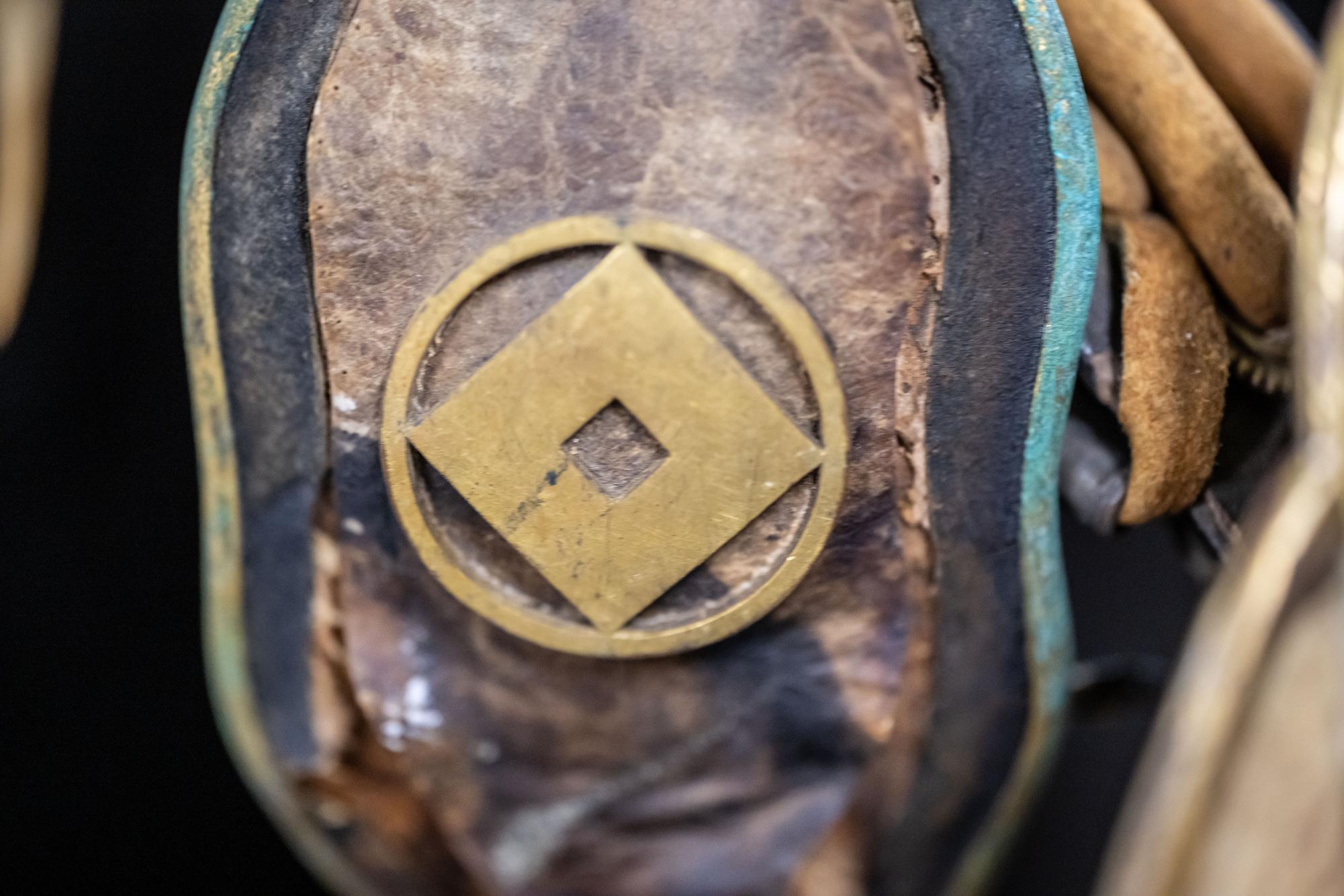
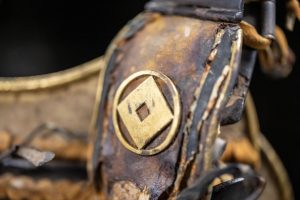
The mon on his armor glints in the sun as we continue on our journey. My father’s symbol forever at his shoulders. I wonder if it is uncomfortable for him to wear something that marks him as a worker to someone else. Maybe he doesn’t mind, or maybe he does, how should I know when he never says a word?
Taro
Ichi is once again staring at my armor. At this point, I think she might want to steal it. I feel bad for being silent the whole morning. She’s riding next to me, which I can only assume means she wants to talk, but I have to focus on the person who is trailing us.
They are clever, whoever they are. They stay just far enough back that I can’t make out the sounds of the horses, but close enough that they won’t lose our trail. Tonight, we will have to be vigilant when we camp.
We make camp next to a stream, the rushing of the water is just loud enough that I can voice my concerns about our tail to Ando without the girls hearing. I don’t want to worry them unnecessarily.
“Ando, have you noticed the people following us all day? The ones that we heard last night?”
“Yes, they have kept close all day, but I can’t get a read on how many there are.”
“In that case, we need to make sure that one of us is on watch the whole night. We can’t afford to let the daimyos’ daughter get murdered on her way to her own wedding.”
“Also, you wouldn’t survive if something happened to Hasu.”
“Ahhh, so you noticed that?”
“It’s kind of hard not to.”
“Taro, she’s just so perfect. I honestly think that she is the one for me.”
“That’s great, Ando.”
I want to be happy for Ando, and I am. There’s just something about the news that’s making it a little sour. My father would say to get rid of that feeling and focus on the mission at hand, which I really do need to do, as I can hear the people who have been tailing us. I think they are camping behind the trees next to us. I tell Ando I will take the first watch and settle down to start my shift at the front of camp.
Ichi
Taro did notice the people following us today. He and Ando are taking turns watching that camp. They both seem nervous. Hasu fell asleep as soon as Ando took his shift of the watch; she must truly feel safe with him. That’s good, I suppose. Taro is on shift right now. I get up and sit next to him, which seems to surprise him.
“Why are you not sleeping?”
He says it in a way that makes it seem like he actually cares and wants to know what he can do to make it better.
“It is difficult to sleep knowing someone is behind those trees watching us.”
If he is surprised, he doesn’t show it. He doesn’t show a lot of emotions, at least not on his face.
“You notice more than the average person.”
I like that he says ‘person’ and not ‘girl’ or ‘daughter’. It makes it sound less condescending. He probably understands what it is like to have little words like that change how a message can be received; those little things make all the difference.
“I try to always be aware of my surroundings; it makes me feel safer.”
The look in his eyes is almost like pity, like he can’t understand why I would ever feel unsafe, and he doesn’t want me to ever feel unsafe, or maybe I’m imagining things.
“I understand that. One must always be aware of their surroundings in order to have any chance in a fight.”
“Well, I’m not doing much fighting.”
“Everyone fights in their own way, whether it be on the battlefield or in life, but all battles have the same principles, and knowing your surroundings will be helpful in any sort of battle.”
I think that is the longest I have ever heard him talk. He definitely has a lot of thoughts in his head, and given enough time, they can really come out in beautiful ways.
“Are you excited for your wedding?”
He asks in a way unlike anyone else who asks that question; he doesn’t say it like I should be excited and just wants confirmation; he genuinely wants to know.
“No, but it will be good for my father’s empire.”
“Marriage should be more than that.”
Taro
When I say those words, she looks at me like I cast a spell on her. I guess I never really thought a marriage like my parents’ was so rare, but I suppose all the daimyo’s daughters will be married off for political alliances. That’s just the way it is.
Ichi looks exhausted, but she doesn’t seem like she is ready to sleep at all. She keeps looking at the stars, then back at me. All I can focus on is her. She has a beautiful face when it isn’t marred by sadness
I can hear rustling in the trees and get up to check, leaving Ichi sitting by the camp. As I walk to the bushes, it occurs to me that I should have woken Ando up to have some backup in case there are more people in these woods that I can deal with alone. I turn my head slightly to check the camp and see that Ichi is shaking Ando awake. She seems to read my mind, or maybe she just thinks that this could be more than I can deal with.
The pressure of my armor on my shoulders is a comfort whenever I am about to face a fight, but it is even more comforting now as I head into the unknown. The bushes shake again, and suddenly a man jumps out with his sword swinging, he barely misses my stomach, and is already getting set to stab again. I recover from my shock and swing at him. We are locked in a battle that can only end one of two ways: with him dead, or with me dead.
Ichi
Thank god I woke Ando up. Taro was nearly sliced in half when the man jumped from the bushes. For some reason, when that happened, I felt a rush of sadness, which makes no sense as I have no connection to him other than that he is escorting me to my new life.
Taro keeps swinging, but so does the enemy. I can’t tell who is winning. I should have paid more attention in all those classes about war and samurai fighting. Ando doesn’t seem to be making any moves to get into the fight, but then again, how does one help in a fight like this without completely risking their own life?
I’m vaguely aware of someone grabbing my arm, and I move to throw them off until I realize it is just Hasu, who looks terrified. She is probably more worried about Ando standing off to the side than Taro, whose armor’s ability to protect him is too close to being tested. There must be something that I can do to help, but I feel like I might just get in the way.
Ando is trying to tell Hasu and me something, but I can’t hear him over the clash of swords and the grunts as Taro and the man from the bushes continue facing off. Hasu seems to have heard him, though, because she grabs my arm, and we start to move farther away from the fight. When the clashing of swords becomes much quieter, Hasu starts to do the nervous rambling that is so characteristic of her, not that she gets nervous often.
“Ichi”
“Ichi”
“Hmm, were you talking to me?”
“Who else would I have been talking to? Should we do something to help Ando?”
“Help Ando? He’s not even fighting! We need to do something to help Taro!”
Just then, I hear a noise that doesn’t sound quite natural. I turn to look just as Ando runs up and keeps me and Hasu facing the other way, but not before I see that Taro has beheaded the man from the bushes.
Ando keeps us looking the other way long enough for Taro to do whatever it is he does with the body, then he comes to join us. He’s got a sizable cut on his arm, but other than that, he looks okay, which makes me oddly happy, and I breathe a sigh of relief. Thank god for his armor and fighting skills.
Taro
As soon as I look at Ichi, I know that Ando didn’t turn her away soon enough. She saw the body; she knows I am a killer, which should be a point of pride for a samurai, but I don’t want her to think of me that way. When I look back at her eyes, she is eyeing the cut on my arm, which is starting to sting. I need to clean it.
“I should go clean…”
“I will clean your arm.”
Ichi grabs me by the other arm and leads me to the river. No point in arguing, I suppose. I take off my helmet at the water’s edge and start to remove the chest piece to check for other injuries, not that I think I have any, but just in case.
Ichi takes a cloth from somewhere in her dress and dips it into the water. She then presses it against my arm and cleans the cut. She’s quite gentle, and I find myself relaxing as she finishes wrapping the slice in a clean bandage.
“Who was that? Why were they following us? What did you do with the body?”
Again with the questions, not that I mind. I need to sort through them anyway, and this way I can do that out loud.
“He didn’t wear a mon, so I don’t know much about him, but he seemed very intent on killing me.” I shouldn’t have said that. Ichi looks terrified. “But I’ll be fine. I took care of it.”
Saying that doesn’t seem to help. Ichi starts to fiddle with one of the straps on my armor. I need to do something to distract her before she freaks out.
“Do you want me to show you how to put on the armor?”
She looks up at me with eyes that are famed for their beauty, with a look that says yes. I take the chest plate and gently settle it on her.
“These strap together at your side, and then the shoulders get tightened here on either side.”
“I thought no one else was supposed to wear your armor.”
“I figured this might distract you from what just happened.”
She just silently nods, and I continue placing the armor on her. Finally, I place the helmet on her head. She looks beautiful and fierce, and I think she feels stronger, less afraid, at least that’s how I always feel in my armor.
Ichi
Taro’s armor is surprisingly comfortable but a bit heavy. It does make me feel safer, though. The layers of metal over leather covering my back and stomach feel secure. The only things not covered are my neck and some of my arms and legs. I take the helmet off and pass it back to Taro. Then he starts to take the rest of the armor off and place it back on his own body. It feels strangely intimate, to wear his armor and then watch him immediately put it back on.
Just as Taro tightens the last strap on his shoulder, there is another sound from the bushes. This time, two men come running out. One stabs Ando so quickly I barely notice till he drops down, and there is blood pooling all around him. Hasu screams and starts running, but not away from the death, but to Ando. I can’t figure out what she is doing until she pulls out Ando’s short sword and cuts her belly. Better to die than to take your chances with what a random enemy man might do.
Taro grabs me and drags me to my feet. He’s yelling at me to run, but I can’t get my feet to move, so he pushes me into the water as he twirls around to meet the other man’s sword with his own. As they are locked in a battle, I tell my feet to run, so I go splashing down the river until I realize how much noise I am making and run up the bank to solid ground. I start to climb a tree, thinking I can hide out at the top until this is over and Taro can come get me.
Once I’m perched higher in the tree than I really feel comfortable with, I look back to where the fighting is. I can see the bodies of Ando and Hasu, their hands almost reaching to each other as they lie there with their blood pooling around them. Just a few feet away is Taro, now fighting both men. He is losing, oh god why is he slowing down, letting them get closer and closer to hitting the armor that I wore only moments ago.
Then it happens, Taro trips over a rock that he doesn’t see just behind him. His head hits the ground with a sickening thud, and he makes no move to get up. I want to scream, but I know that would lead the men right to me. With any hopes, they’ve forgotten me by now. Taro still makes no move to get up. Is he even breathing? I hope the men will just leave him, and then I can go see if he’s alright, maybe fix his head like I fixed his arm.
That doesn’t happen.
Taro
I’m not dead just yet, but my head hurts too much to move. I hope Ichi got away, was smart and ran, that she doesn’t see me now, lying here, completely vulnerable to the attackers above me. Their faces loom over me to check if I am dead. I should act like I am, then maybe after they leave, I can get away.
The two men exchange some looks that are too fast and quiet for my hurting head to understand, then I see the one on the left pull out his sword. I understand now what is going to happen. They came here to kill us all, two are already dead, the other is hopefully far beyond their reach by now. All they have left to do is finish me off.
I hope my father thinks I died bravely, not that he will ever really know how I died since there are no witnesses. I will die alone, like I always feared. At least I will be with my mother soon. I can almost hear her voice, see her face, so different from everyone else’s mother’s, but one I always loved more than anything.
I see the glint of the sword as it comes racing towards my neck and smile to myself. I did my job; I kept Ichi safe. At least, I hope. That was the goal of this trip. If she is smart, which she is, she will walk to the border and marry her new husband, forget about me and this whole trip, and live her life.
The sword doesn’t hurt as much as I thought it would as it slices my neck. I hear a scream in the distance and pray that Ichi doesn’t have to witness this. For some reason, I am still conscious. I can feel the blood running from my neck down my back. I realize that they didn’t cut all the way through.
Stranger and stranger, I now hear the pounding of horses’ hooves and see a stallion jump over me and trample the men who just slit my throat. I can feel the life leaving my body and mind. It hurts, too much, but I can’t make any movement to try and ease the pain. Suddenly, I see my father’s face above me. It swims in and out of focus as he puts my head in his lap and whispers soothing words that I can’t quite make out.
Then I see Ichi’s face red with tears looking down at me too. This can’t be possible; I must be going crazy as I die. Ichi takes my hand; I feel the warmth of her fingers against mine and close my eyes. I’ll just rest, then I can make sure Ichi is safe and happy, make sure nothing causes those horrible tears to roll down her face again.
Ichi
His blood is everywhere, his head hanging limply from his neck, held on by only a little bit of skin. It must have hurt, to die like that. I nearly fell out of the tree as I climbed down when they brought the sword to his neck. I didn’t care that it wasn’t safe. I couldn’t let him die alone. No one should have to be alone in their final moments.
“How did you get here?” I ask Taro’s father, because it truly doesn’t make any sense to me.
“I saw you off the first day, then a while later, I saw those men start off after you. I thought Taro and Ando would be able to handle it, but that I could intervene if necessary. Obviously, I was too late, too late to save my only son, my world.”
I take his hand in my right, as I am still holding Taro’s in my left. I’m not sure what to say, how to talk to a grieving father whose son’s head is still sitting in his lap, soaking everything nearby in blood.
“I’m sorry. I should have done more. Taro told me to run, pushed me away, so I did, I ran, but I should have stayed, maybe I could have helped. Maybe I could have done something to prevent this. Or I could have made him run with me, instead of staying to fight.”
I am crying again, the tears rolling down my face and into the dirt, mixing with Taro’s blood.
“There is nothing you could have done. I should have done more, been there when my son needed me.”
So, we sit there. Both blame ourselves for the death that lies next to us. Holding hands as the sun comes up on the first day in which Taro will never wake up.
Epilogue Ichi
I pack the last of my things onto my horse. It has been ten years since I last traveled farther than a few miles outside of Taro’s old home. His father insisted that I cut my hair, change my name, and start a new life. It was the best decision ever made for me, and the last ever made for me. I got to live my life how I wanted after that, and now I am making another choice.
I am leaving Japan. There are too many memories here, and it is time to start fresh. Taro’s father emerges from the house holding a rather large box, which he secures to the very back of my cart.
“May I ask what you’re adding to my load?”
“It’s his armor. I thought you should have it to remember that he loved you. All of it is there except the helmet of course.”
Neither of us could bear to remove the helmet from his body that night, so we left it on him as we buried him in those woods.
“Thank you, you have been so kind to me these past years. Are you sure you don’t want to come with me?”
“My life is here, but yours is still young; go see the world.”
So, I did. I left Japan behind and traveled for the rest of my days. I ended up settling in China, where I made sure Taro’s armor was passed on to a good family who would keep it safe for generations to come.
Sources
I used the source below to gather some additional information about samurai life. I also used Google AI overviews for small facts and things such as name ideas: https://en.wikipedia.org/wiki/Daimyo